In the days when printed media was still the principal means of learning about the world, various services existed to which individuals or institutions could subscribe to in order to receive information about certain subjects. Today I happened upon a folder of photographs from one of these services from the 1930s and 1940s. Each photograph is accompanied by a typed text glued to the back. In most of these cases they are in German, not surprising given the events taking place in Belgium at the time. Some of the texts are very clearly racist and originate from a press service in Berlin. In the case of Adolphe Sax we also see some revisionist history.
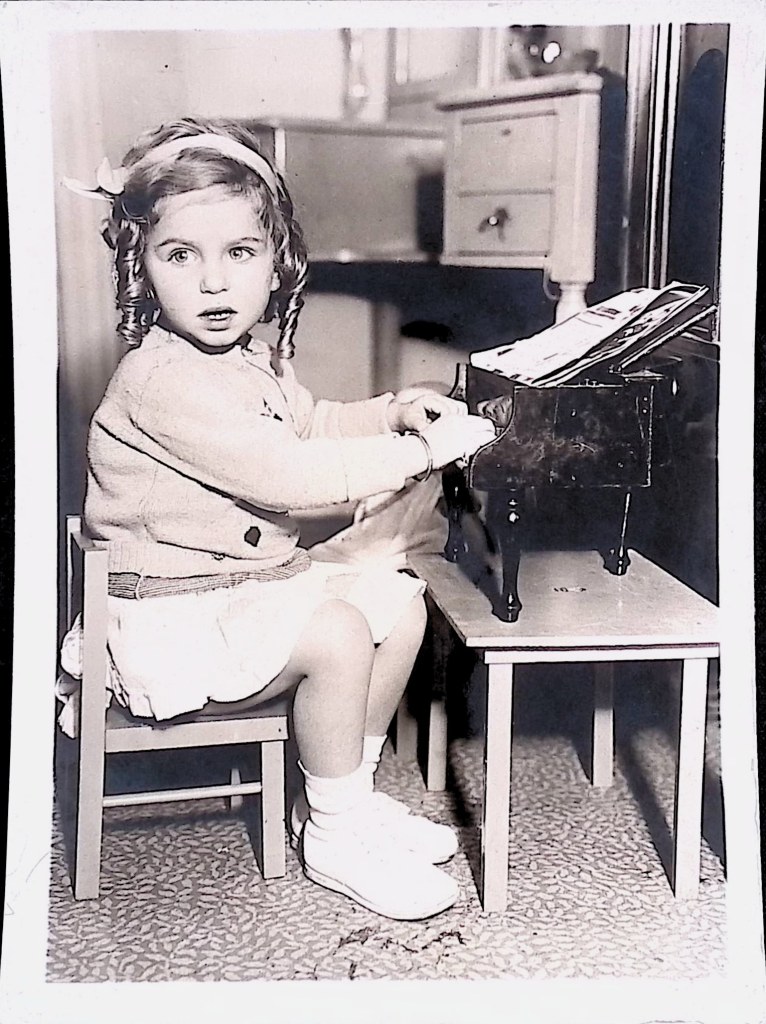
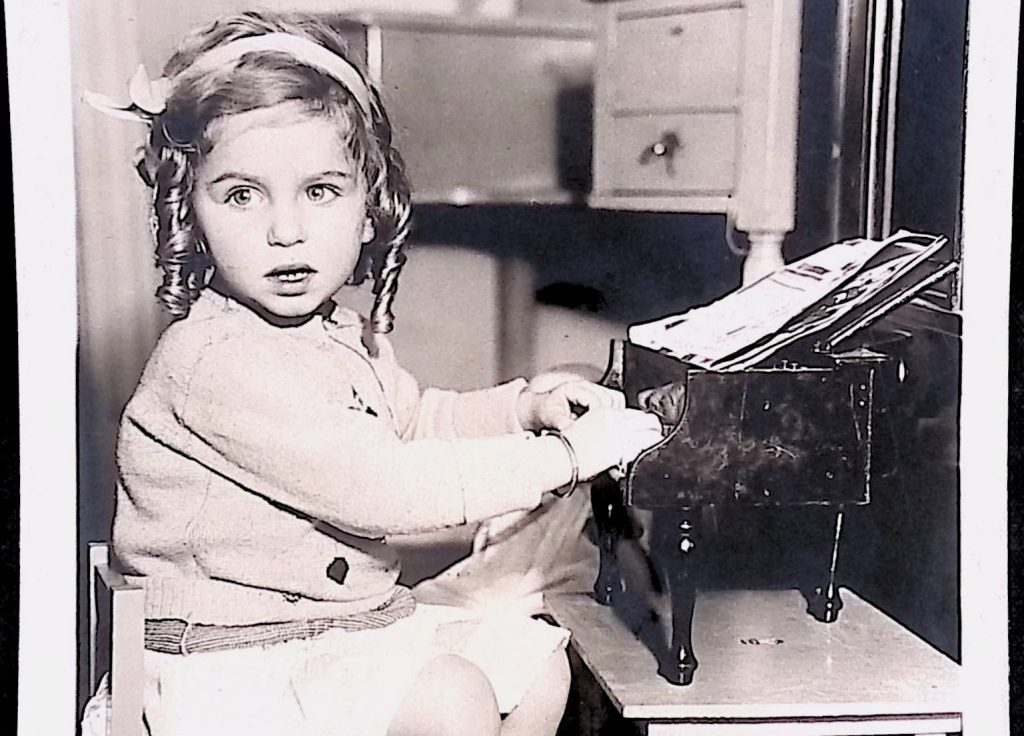
America’s Child Prodigy
Few people can recite 35 poems, which 2-year-old Theresa McGinty from Brooklyn can do without difficulty. Among the poems are not only children’s songs, but also a 22-line poem from a newspaper. The little girl can recite this poem without hesitation. Our picture shows little Theresa singing a little song, accompanying herself on her Lilliput piano.
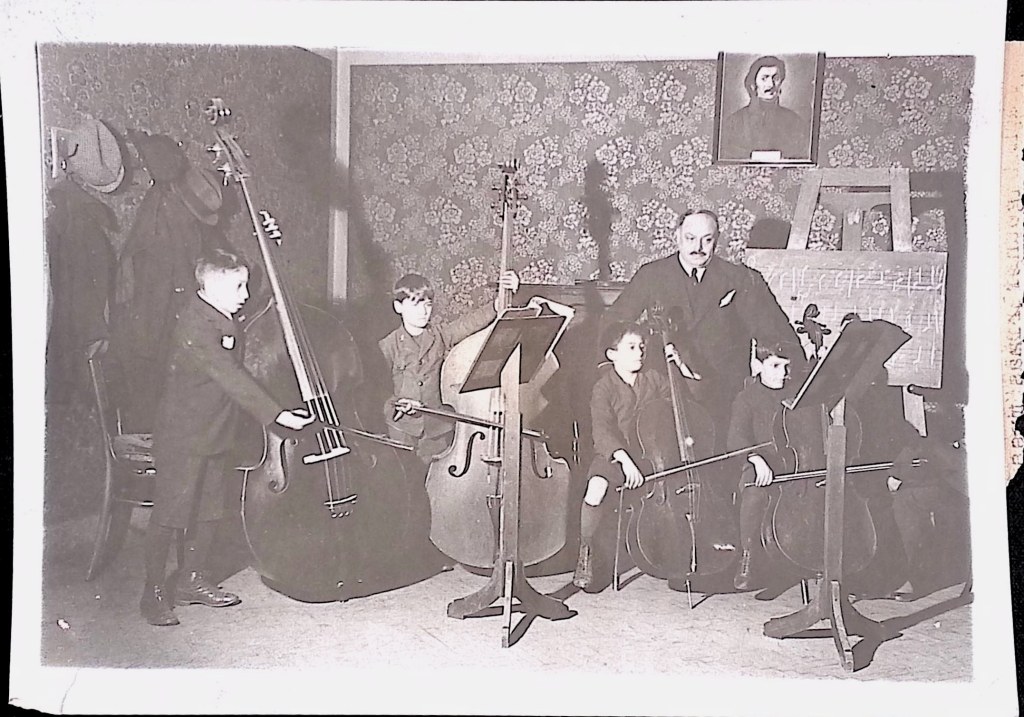

Even Gypsy primates must be educated
In order to keep pace with the culture and halt the triumph of jazz music in their own country, the Gypsies established a school in the country’s capital, Budapest, where the young people receive not only musical but also all-round instruction. The school is under the patronage of the Minister of Education and is supported by numerous friends of Gypsy music.
Small boy, big violin.
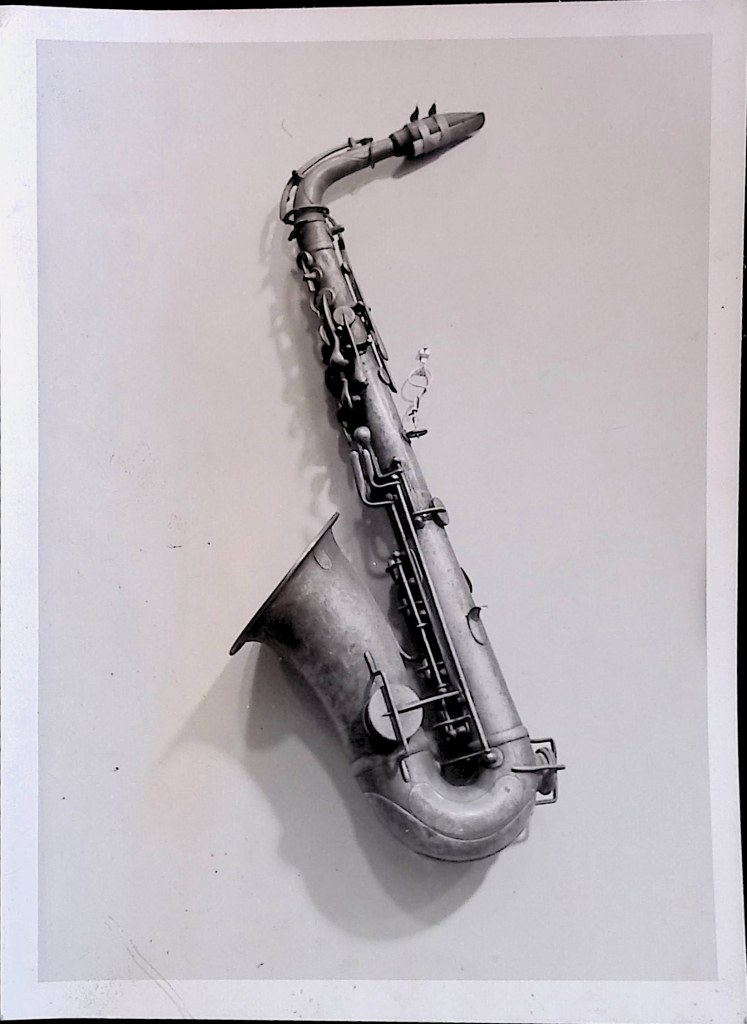
A hundred years ago, Adolphe Sax the inventor of the saxophone was born of a German father.

250th Anniversary of German Violin Making
The violin-making students of the State Violin Making School in Mittenwald performing.

Paris – Conservatoire Competitions
A view taken this morning during the harp competition
June 30, 1942

An Advanced School
At Little Felcourt, in Surrey, there is a very modern type co-educational school, where young children are taught in a manner that makes the lessons seem more like a glorious game. Many of the classes are designed for modern conditions of life, and Little Felcourt School tries hard to find the best natural talents of its various pupils, and gives many of them their first insight into their after-school careers.
“A Tootle on the Flute”, by the Music Class outdoors.
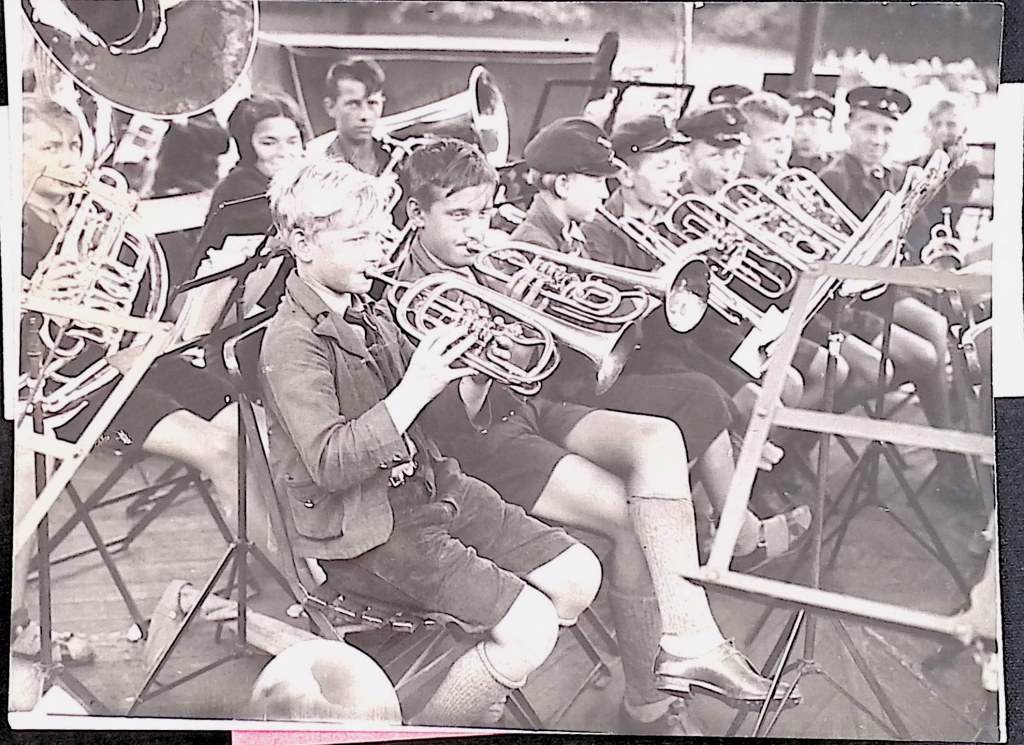
Czech Children’s Band Plays in London
The Czechoslovakian children’s orchestra which is visiting London gave a performance in the Victoria Embankment Gardens.
August 17, 1937
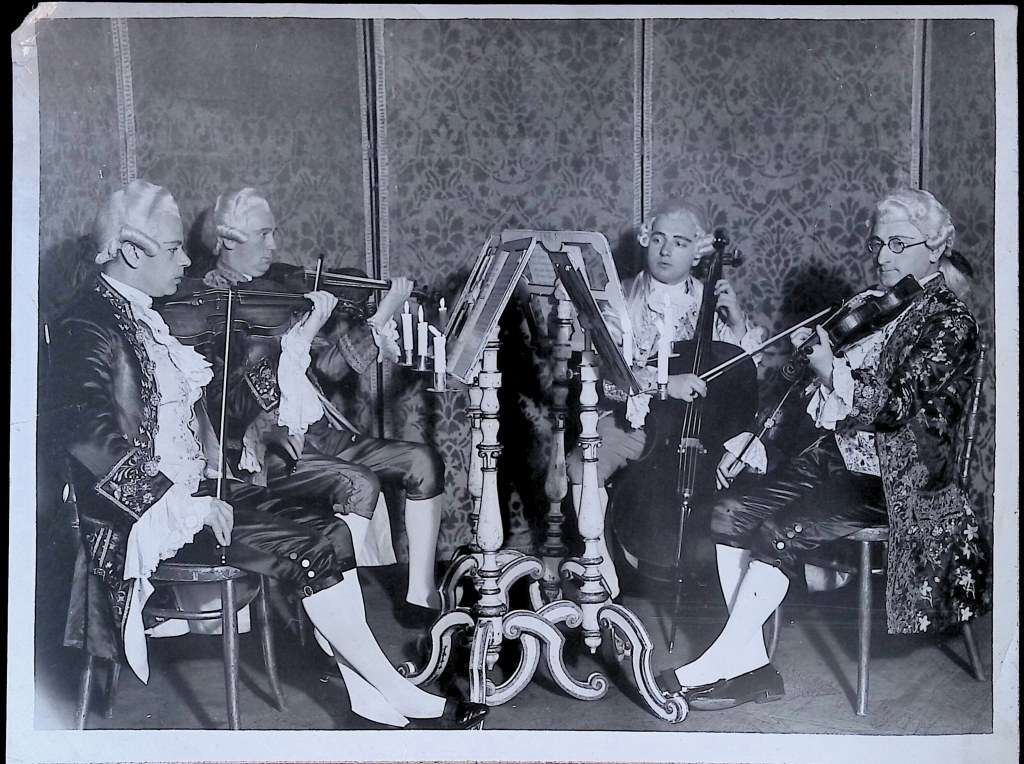
A new and yet old variation round Hadyn’s music: Gottesmann Quartett plays in the constumes of Haydn’s time
The famous Gottesmann Quartett during the performances, playing Haydn Music in costumes of the Haydn time. Professor Hugo Gottesmann can be seen on the left. The Quartett is giving some concerts in New York shortly sailing for the U.S.A. on the 17th June.

“Merrie England” in the villages
Thanks to carious organisations, there is a definitive move towards a revival of the old country life of a “Merrie England”. The Guild of Pipers started seven years ago to encourage children to make simple bamboo pipes on which to play simple tunes and little orchestras are springing up in the villages.
Children at teh village school at Burford, Oxford, making pipes and flutes from bamboo, and a one-stringed viol. November 10, 1933
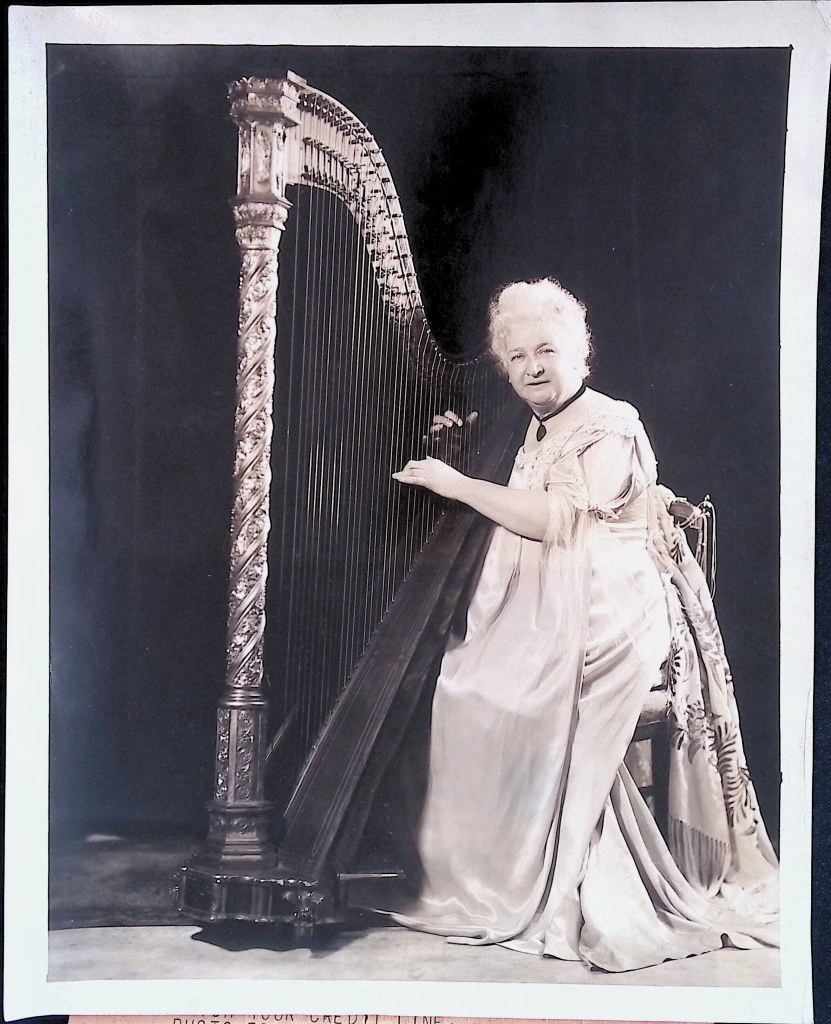
Miss Maud Morgan, the Dean of American Harpists, and one of the best known exponents of that instrument. After many years of doing concert work and teaching, she still continues actively in those fields and has just celebrated her 70th birthday. She is the daughter of the famed George Morgan, a pupil of Mendelssohn, who was organist of Grace Church and whose place she succeeded to upon his death.
November 29, 1930.
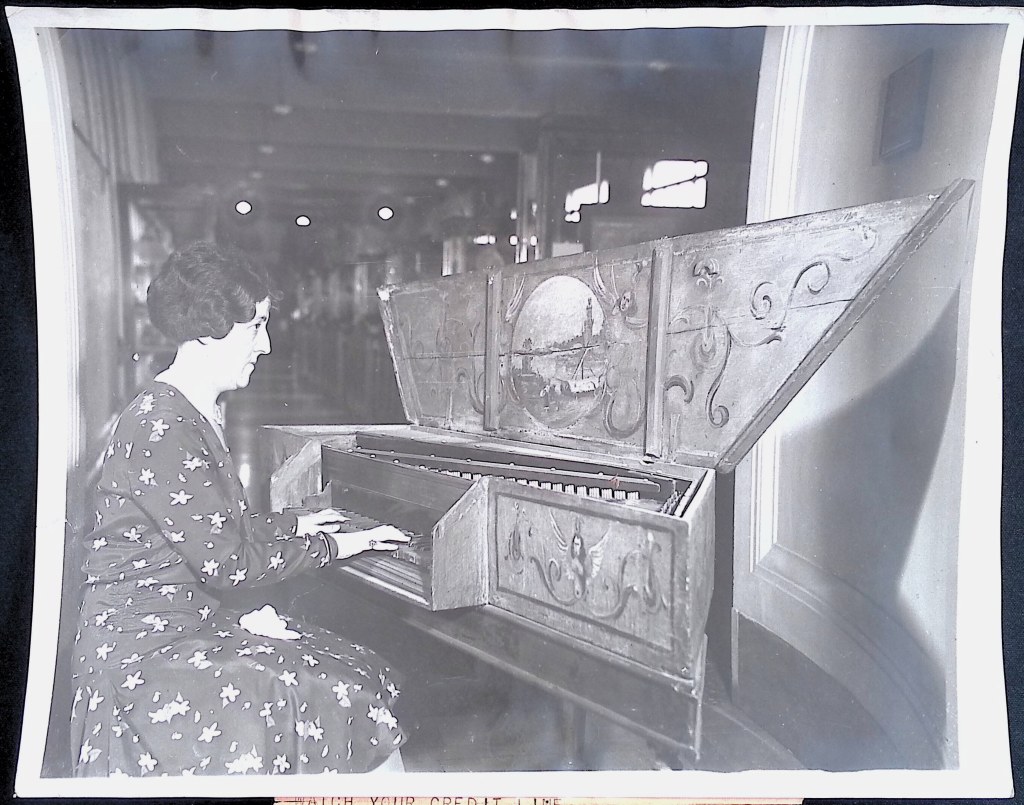
The Music Box of an Early Period
This Italian spinet, believed to be the oldest piano in existence, a part of the collection of 200 given to the National Museum at Washington, D.C., by Hugo Warch. It was manufactured in 1475, and has wooden keys which make direct contact with the sound strings. Mrs. Leta B. Loos, curator, is show at the instrument.
November 5, 1930.
 MUSIM
MUSIM 
Leave a comment