An archive is not only a record of the institution which owns it but also of other institutions it has come into contact with. Every letter, whether sent or received is only half of the conversation. Most of these conversations cannot be reconstructed but sometimes we get lucky.
Victor-Charles Mahillon, the first director of the MIM, quickly established himself as a leading (if not the leading) expert in the field of organology. He received thousands of letters from musicians, instrument builders, and collectors asking his advice on a wide variety of music related subjects. He himself wrote to hundreds of museums to ask their experts for information.
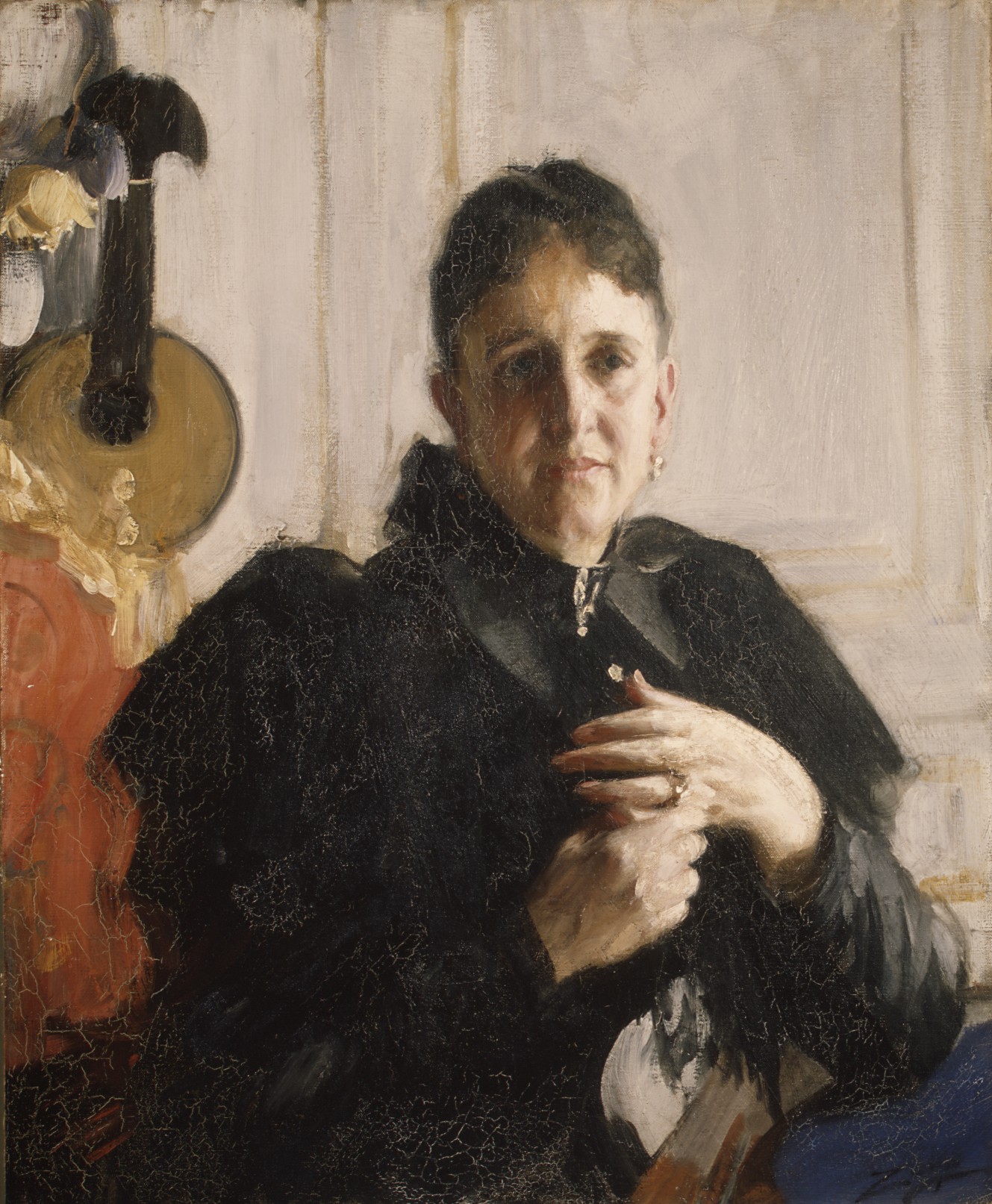
One of his most prolific correspondents was Mary Elizabeth Adams Brown (1842-1918).
Mary Brown was a New York socialite, the wife of a successful banker John Crosby Brown. Her passion was collecting musical instruments from around the world. The couple’s frequent travels facilitated this activity and inevitably she came into contact with Victor-Charles Mahillon. In 1889 Brown donated her collection of musical instruments to the Metropolitan Museum of Art in New York City. This collection, which initially consisted of almost 300 instruments, grew to almost 4,000 by the time of the death of her son William Adams Brown (1865-1943). The conditions of her donation effectively made Mary and William the curators of the Met’s musical instruments collection.
The nearly 100 letters written between Mahillon and Brown, held in the archives of the MIM as well as the Met, show that the Browns visited the MIM several times in the early 20th century and actively engaged Mahillon as a procurer of instruments for their collections. The letters specify instruments which Mary was searching for, as well as requesting copies of instruments in the MIM which would be added to her collection, for example the Roman Cornu and Buccina, themselves copies.
While reading these fascinating letters, I found a reference to photographs. In 1902 the Metropolitan Museum began building a photographic library of the musical instruments collections around the world. Brown wrote to Mahillon to ask if he would be willing to provide photographs of the MIM’s collection, which would be paid for by the Met.
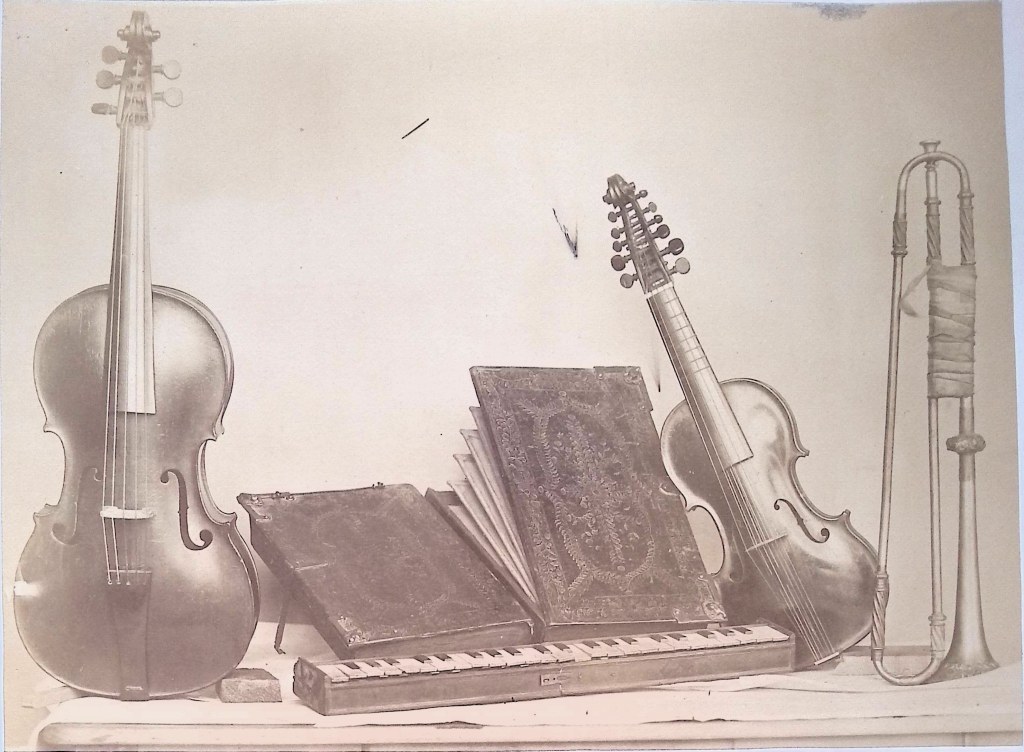
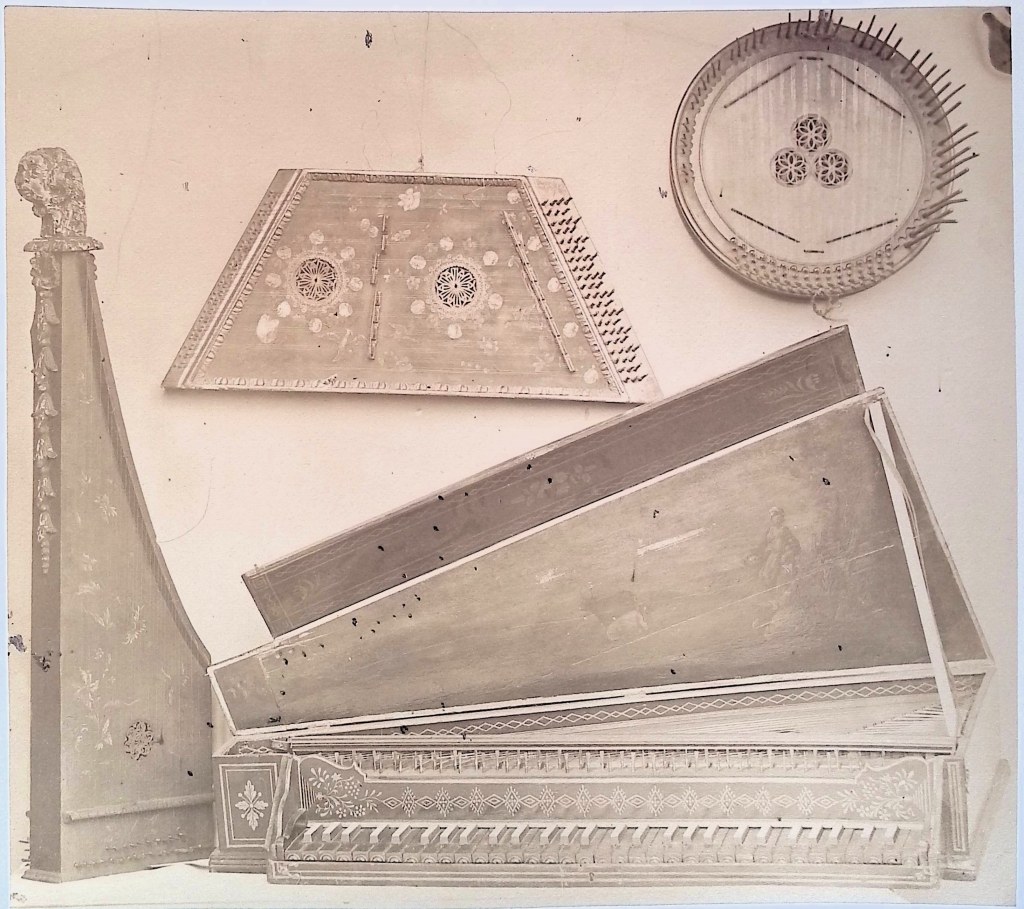
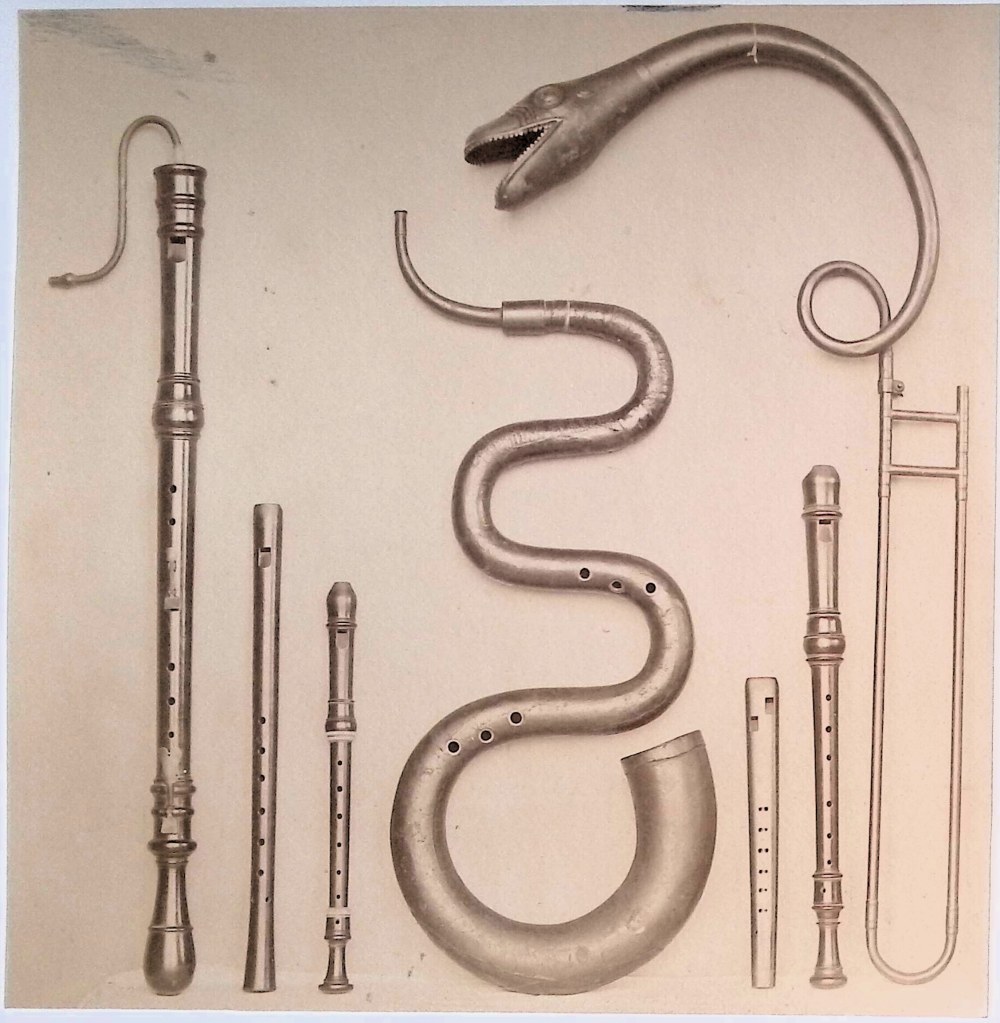
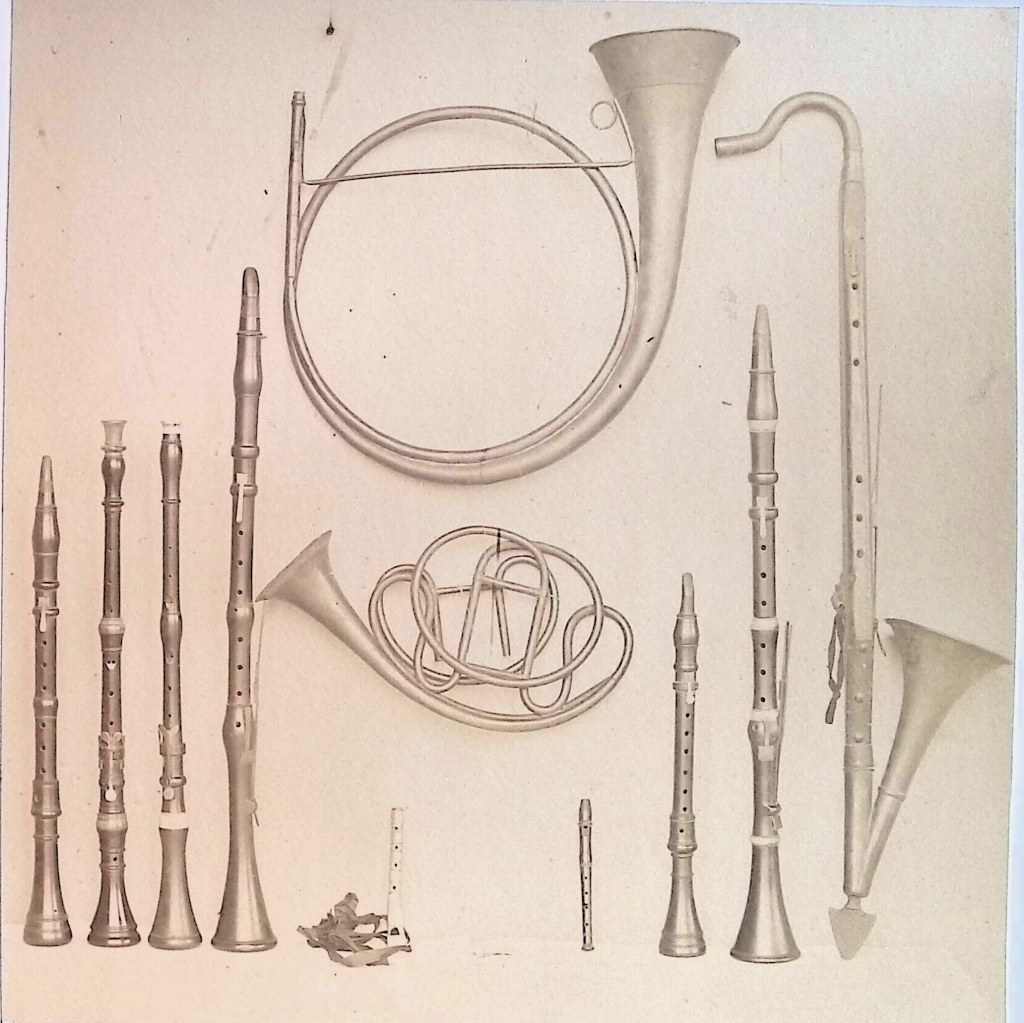
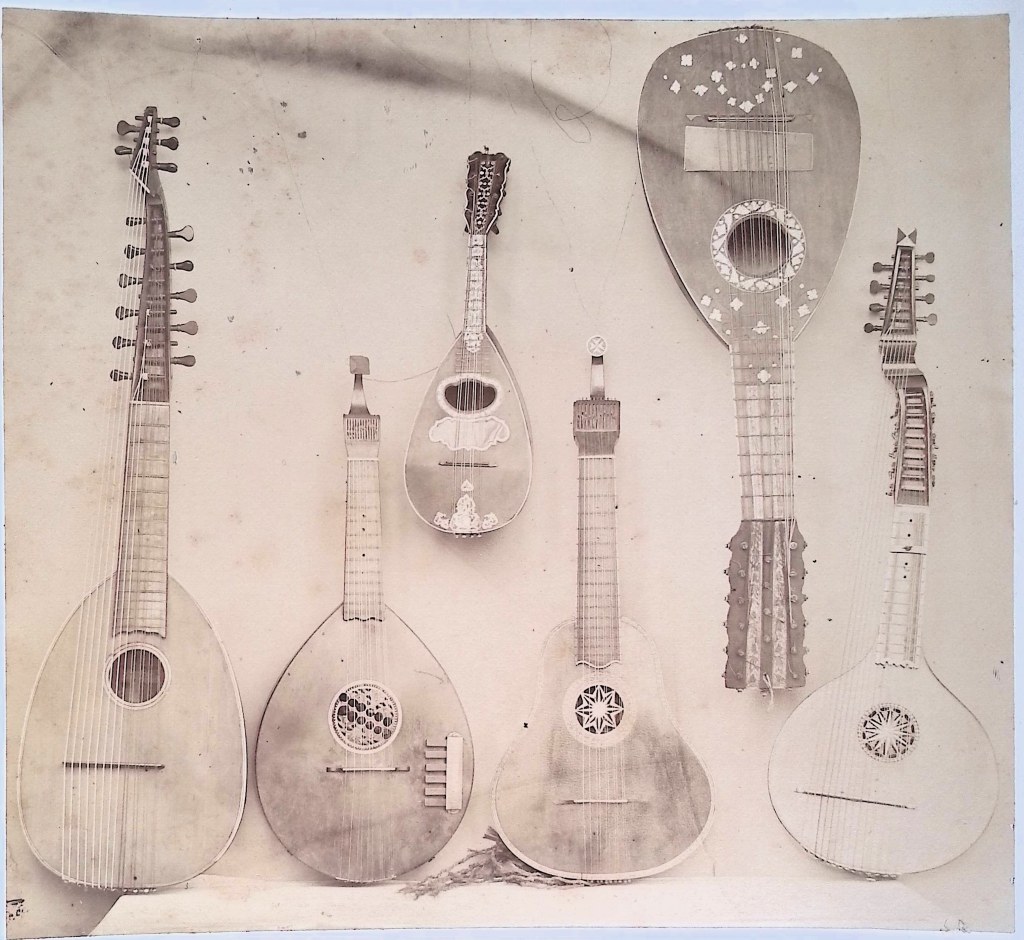
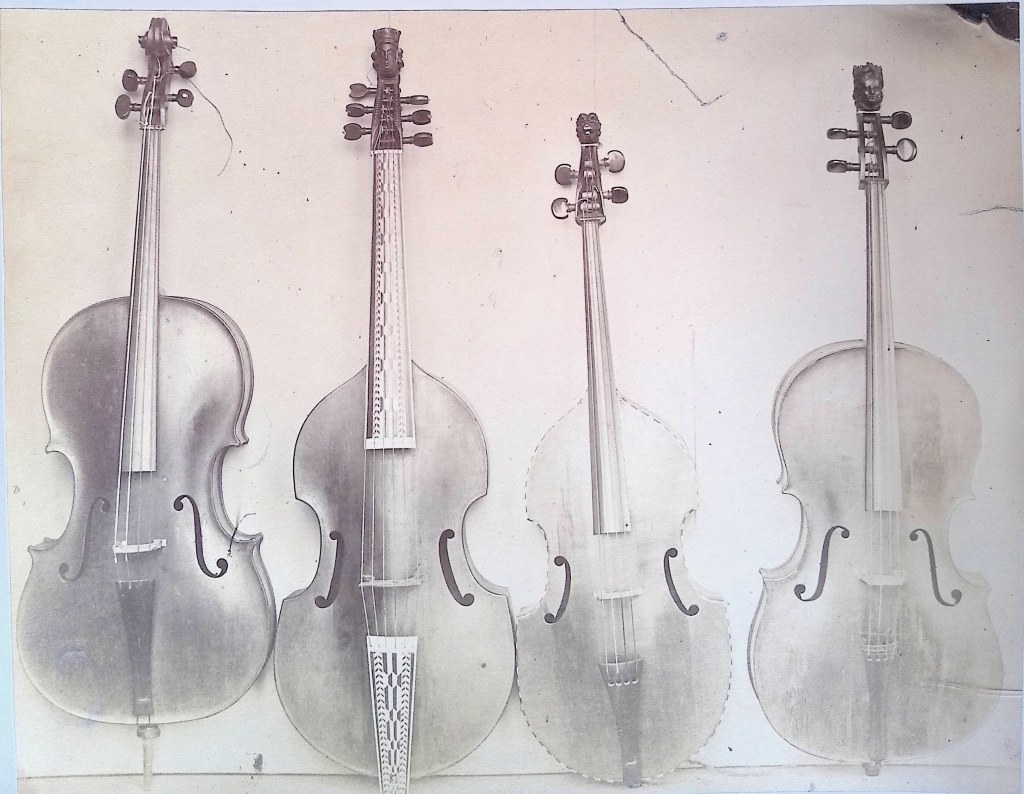
Brown originally requested 10 photographs of only the European collection and specified that these photographs should be filled with as many instruments as possible. The instruments in these photographs were to be marked with their catalogue number so that researchers could refer to Mahillon’s catalogue of the museum in order to learn more about them.
Mahillon replied to Brown that 10 photographs were not nearly enough to showcase the instruments of the MIM and suggested a total of 30 photographs which would include nearly every category of European instruments (excluding folk instruments). These photographs were sent to the Met at the end of 1902.
Of course this set off alarm bells in my head. Did Mahillon keep copies of these photographs? Does the Metropolitan Museum of Art still have them? Had anyone at MIM ever seen them?
After asking all my colleagues at the MIM to no avail, one happened to mention some old photographs that they had seen in a cabinet. From the description of the photographs in the Brown-Mahillon letters it seems that we had found some of those in question.
Mary Brown also sent photographs to Mahillon. Several were of the various display cases at the Metropolitan Museum, as she was eager to have Mahillon’s advice on every aspect of her curatorial activities. Others she had acquired from around the world. Mahillon had assembled an impressive iconography collection (which is still part of the MIM) of music related images from various cultures. Brown contributed to this collection with copies of those in her own. These images were valuable for the study of the museum’s instruments. They show not only the instrument’s use (playing position, etc.) but the cultural setting in which they could be found.
I am very happy to share with you in this post some of the photographs which I have mentioned. And hopefully with my colleagues at the Metropolitan Museum of Art we will soon have a complete collection of the 30 photographs from 1902!
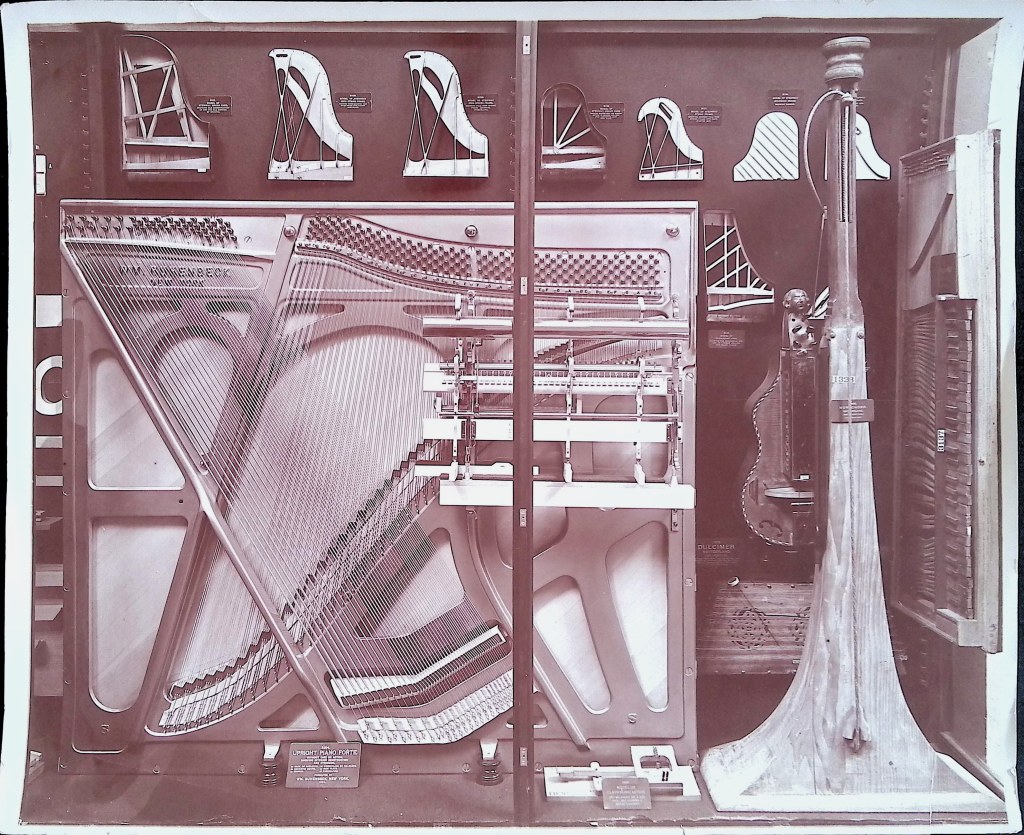
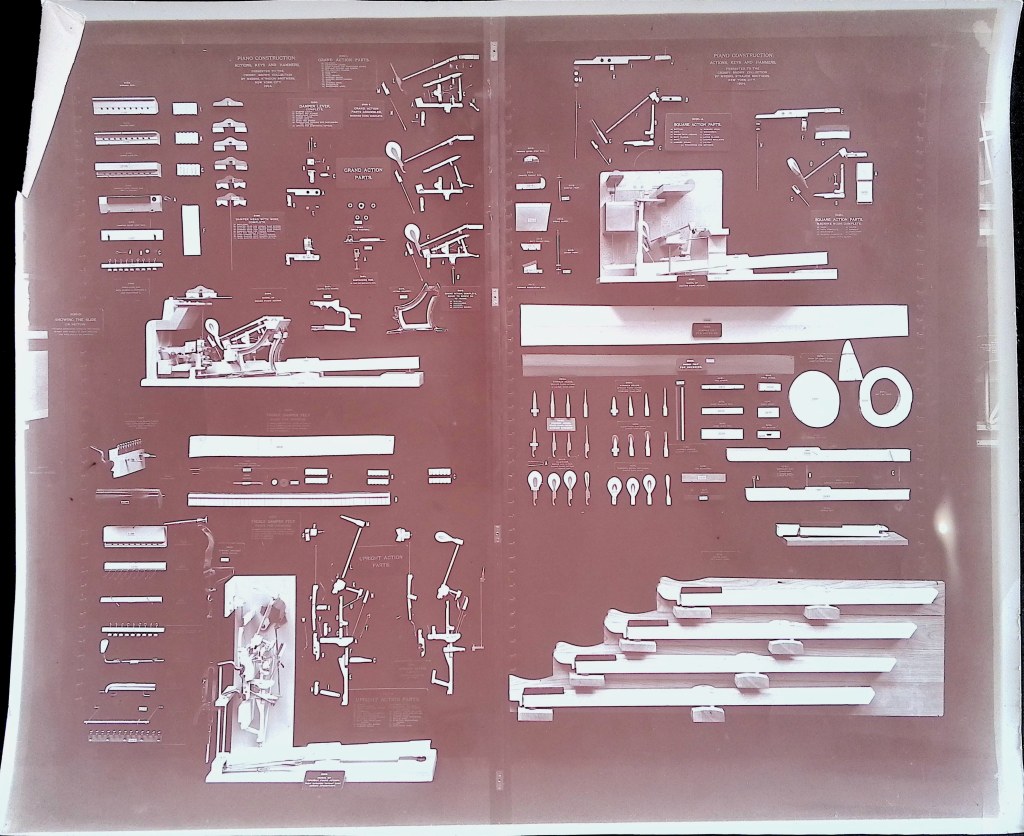
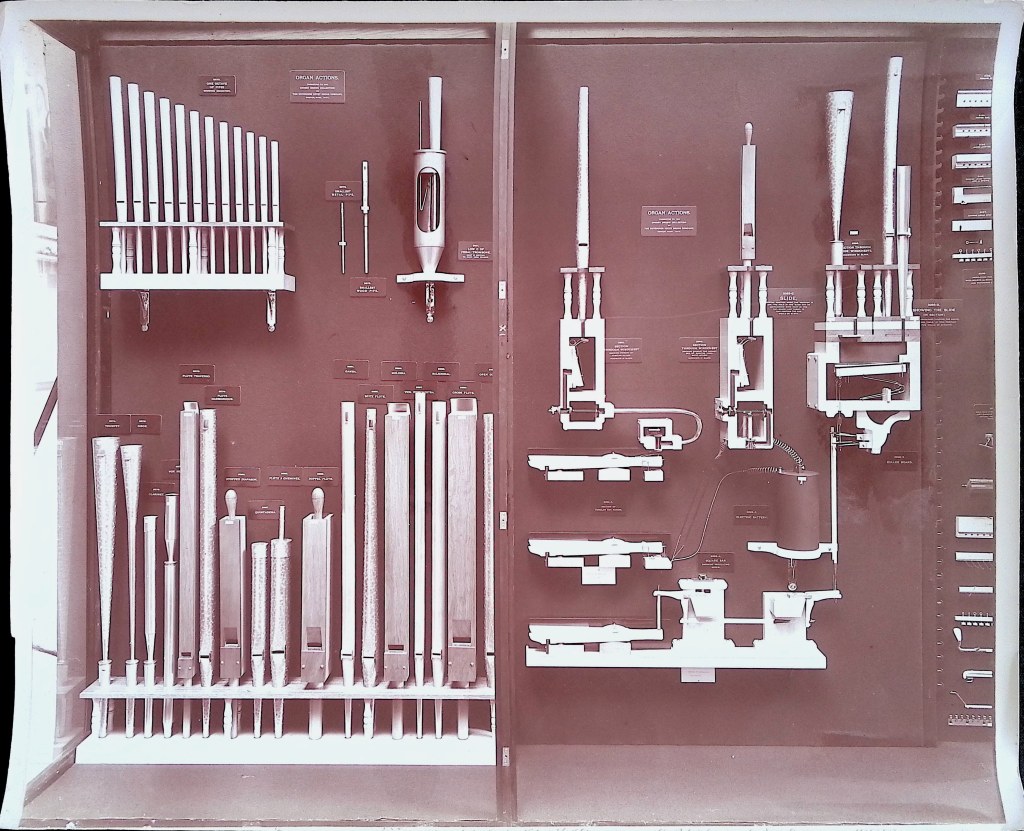
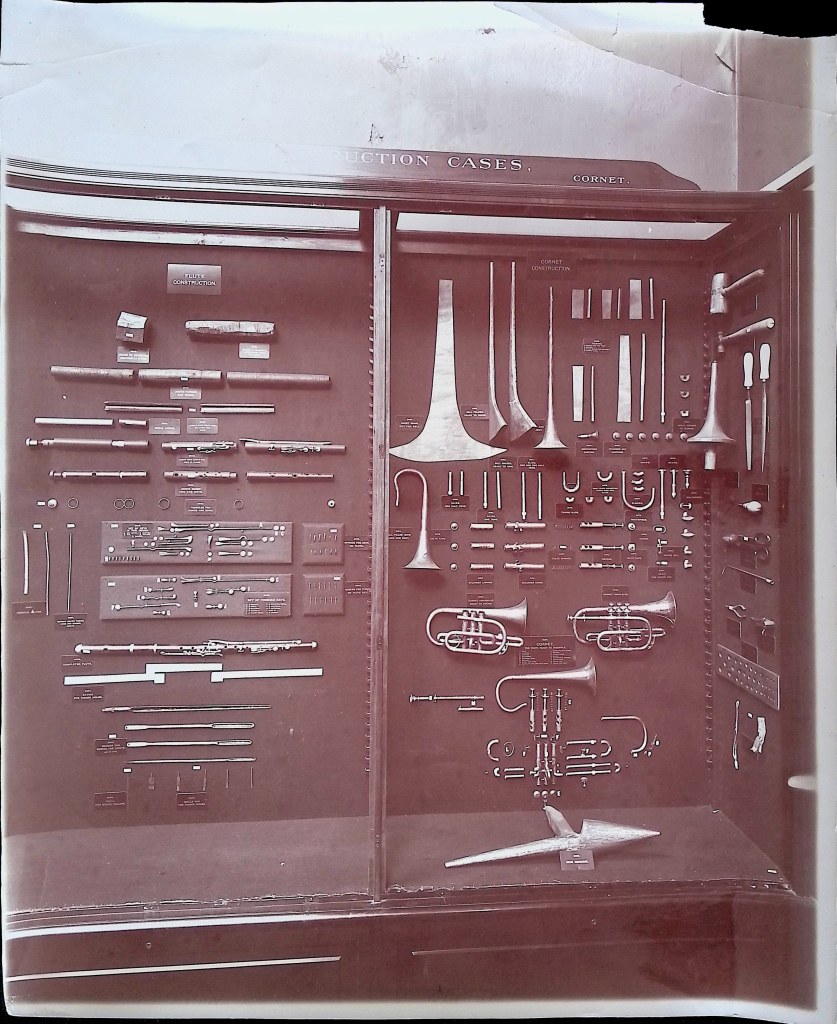
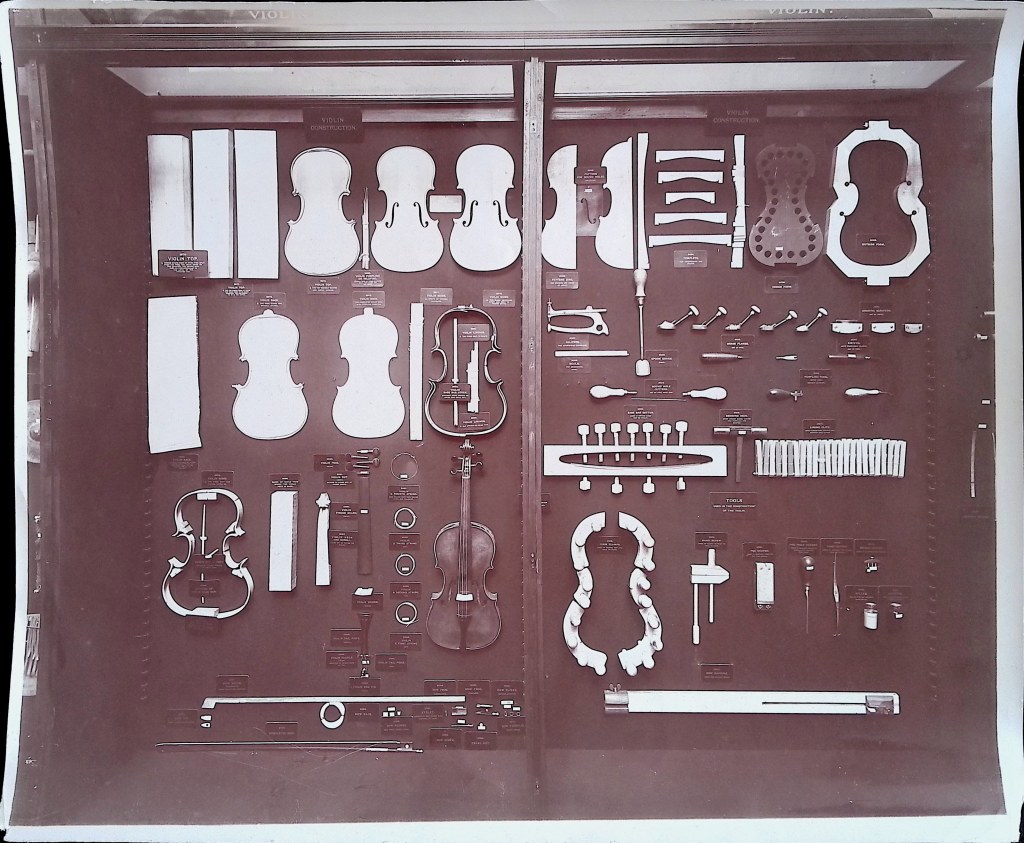
Mary Brown sent the following five photographs of what were called the “construction cases” at the Metropolitan Museum. They show the building and mechanisms of pianos, organs, violins, flutes and cornets. We can see as well that a hurdy-gurdy and a monochord have been added to the cases, probably due to lack of space.
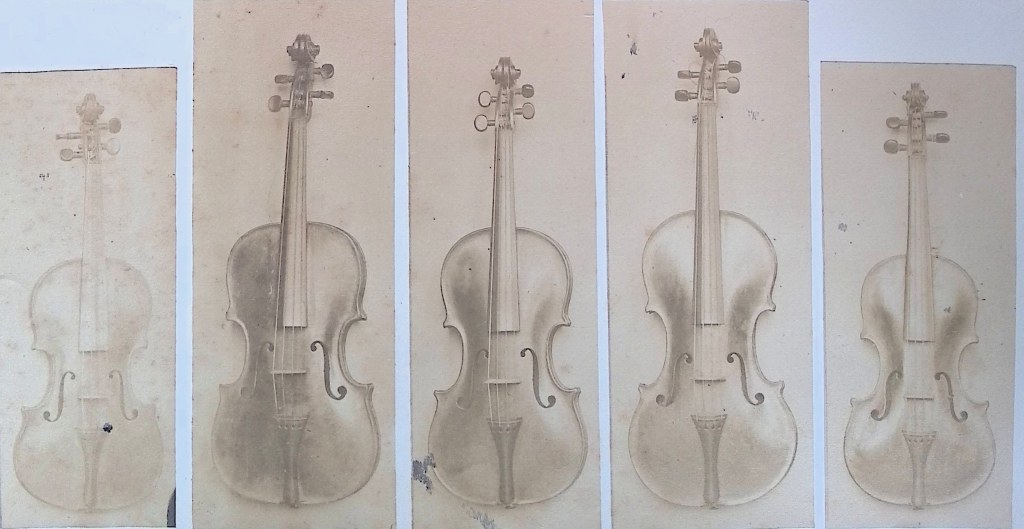
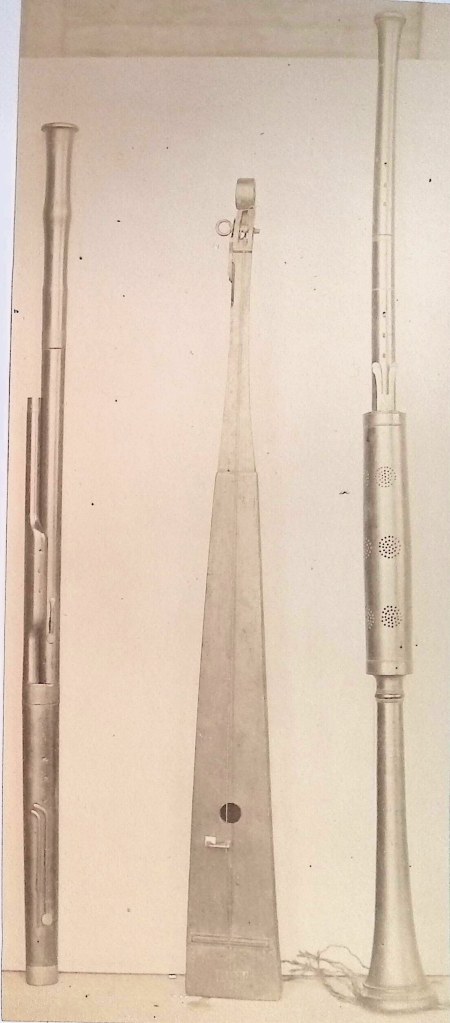
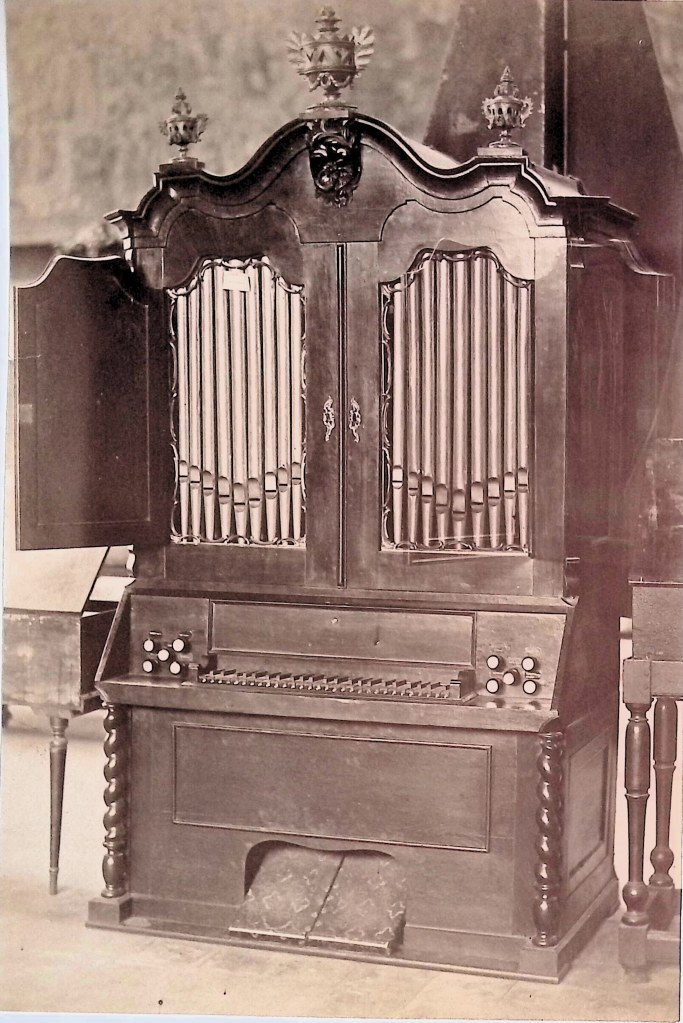
The following nine photographs are presumably those taken in 1902 and sent to Brown of the MIM’s collection. Several of the instruments are unknown to our curators. The photograph of the organ shows the instrument in situ with several other keyboard instruments around it.
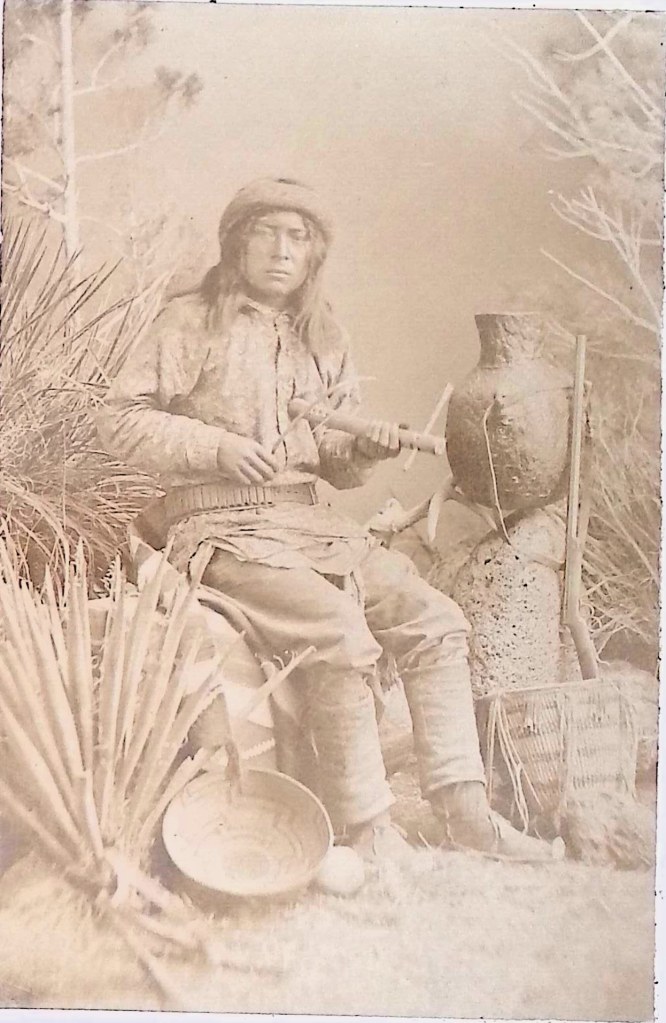
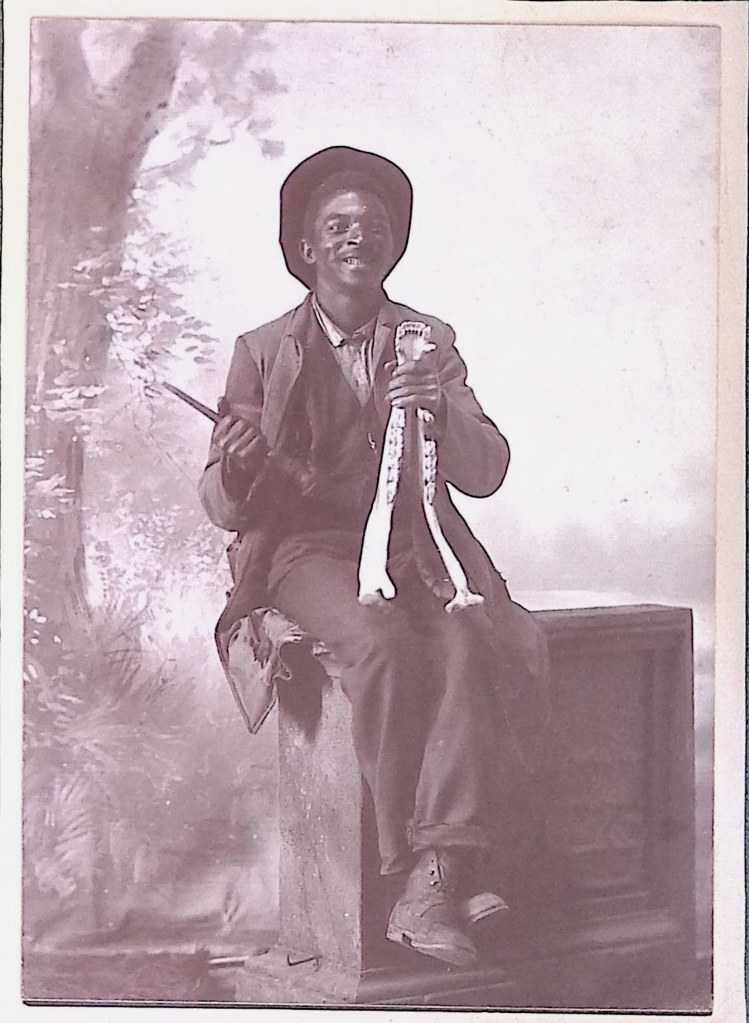
Brown sent Mahillon a fascinating series of folk instruments from Africa and the United States. The names of the instruments are those communicated by Brown.
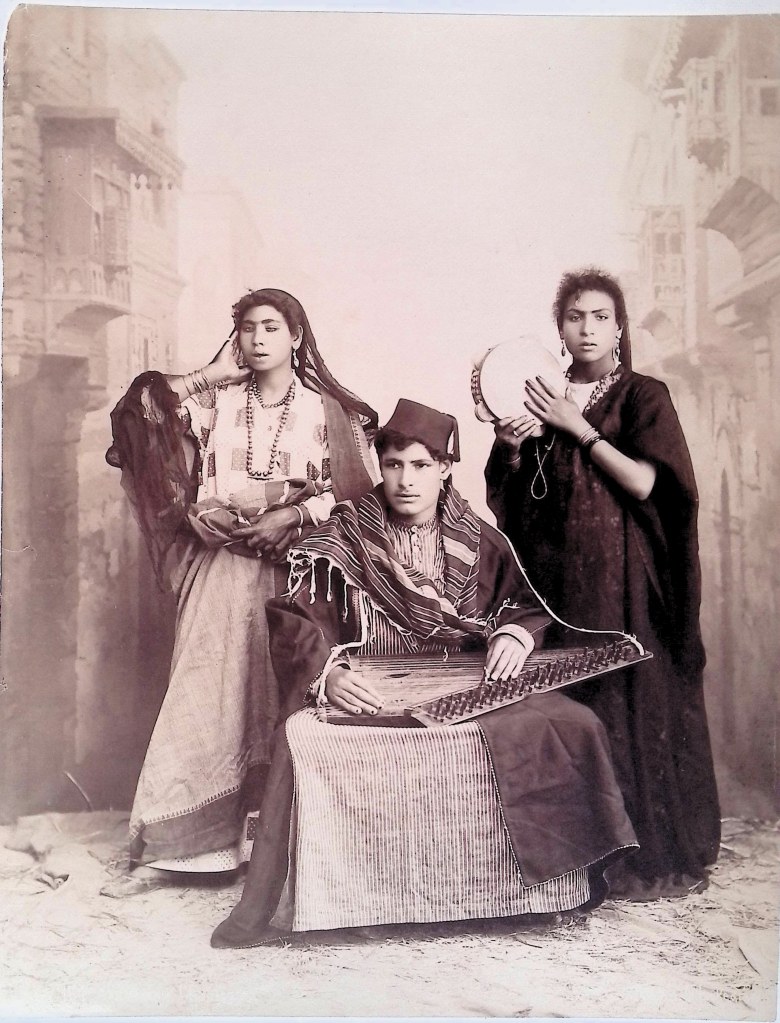
This photograph shows three Algerians playing a kanôn and tarr. The third is singing and has put her hand to her ear.
The following two photographs show musicians from Madagascar playing a valy and a lokanjy.
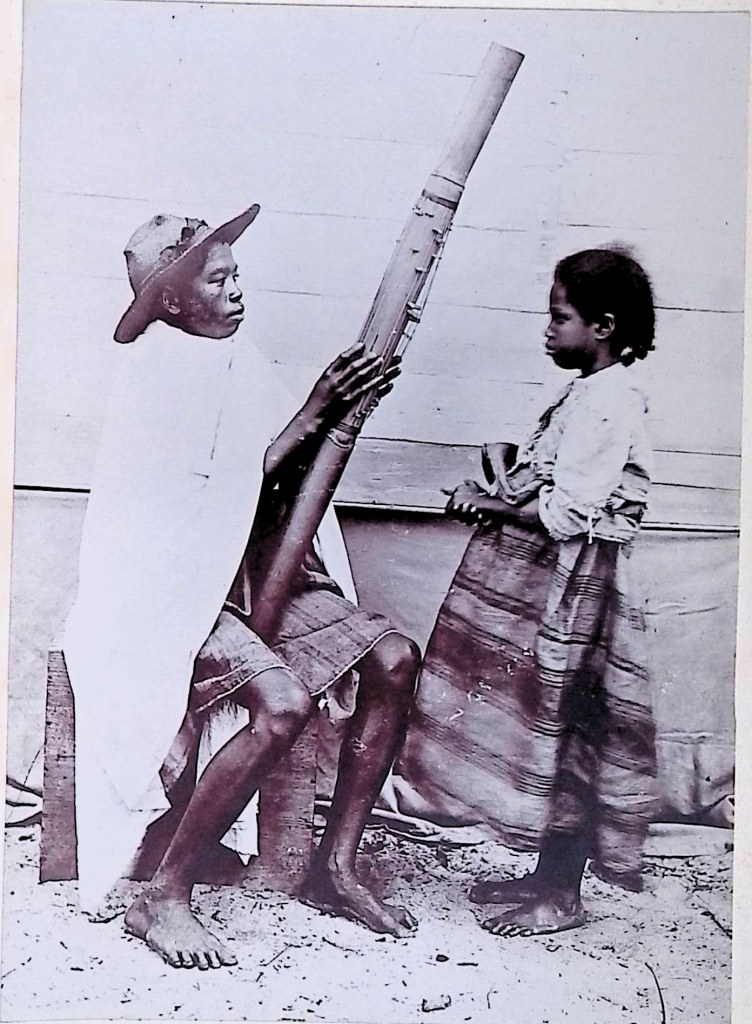
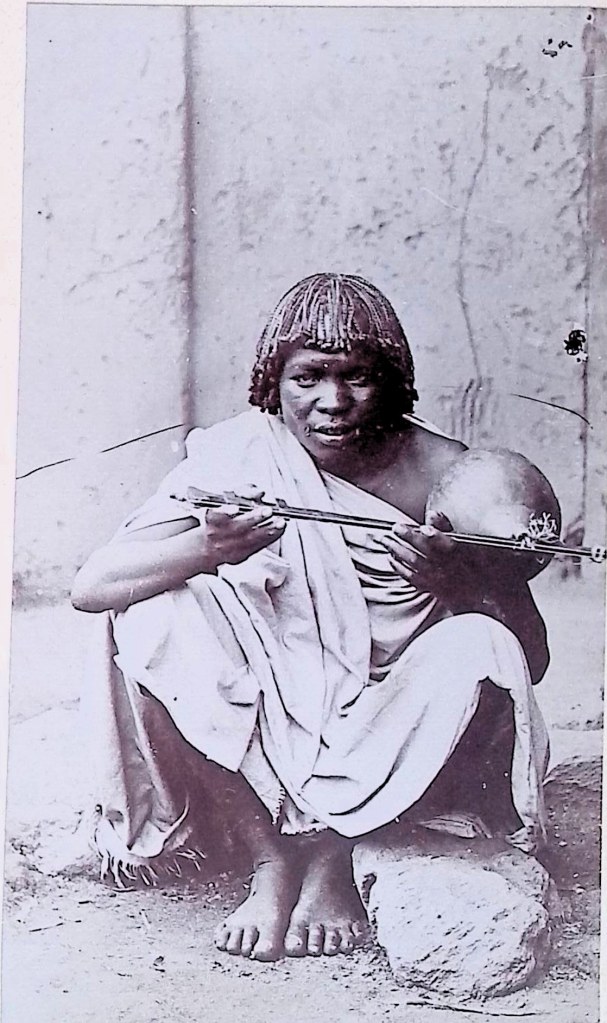
The last two photographs are from the United States. The first shows an Apache playing a bowed stringed instrument and the last shows a plantation worker from Georgia playing a mule’s jawbone. The latter was used as a percussion instrument for dancing.
- Richard Sutcliffe, August 2024


 MUSIM
MUSIM 
Leave a reply to John Bryan Cancel reply